
We measure how your product is perceived to decide what to reformulate
Since 2000, in one industry only. A trained panel describes the product, consumers say how much they like it, and crossing the two measures lets us estimate what will happen to preference before you touch the formula.
You arrive with a decision on the table, not with a study in mind
We do not sell off-the-shelf studies. We start from the business question in front of you and design the measurement that answers it. These are the four that product development teams call us about most often.
- Reformulate without losing the loyal consumerLess sugar, salt or fat, a different ingredient or a different cost, and how far you can go before anyone notices.Reformulation
- Change supplier or process without it showingA test designed to answer a single question: whether the difference shows or not.Discrimination testing
- Know where your product sits in the categoryWhich attributes you win on, which you lose on, and which gap is worth communicating.Sensory benchmarking
- Defend a shelf life with data, not cautionHow long the product still tastes like itself, measured by the same panel over time.Sensory shelf life
Four steps, and each one needs the one before
A project can start at any of them. None of them answers on its own.
We measure the product
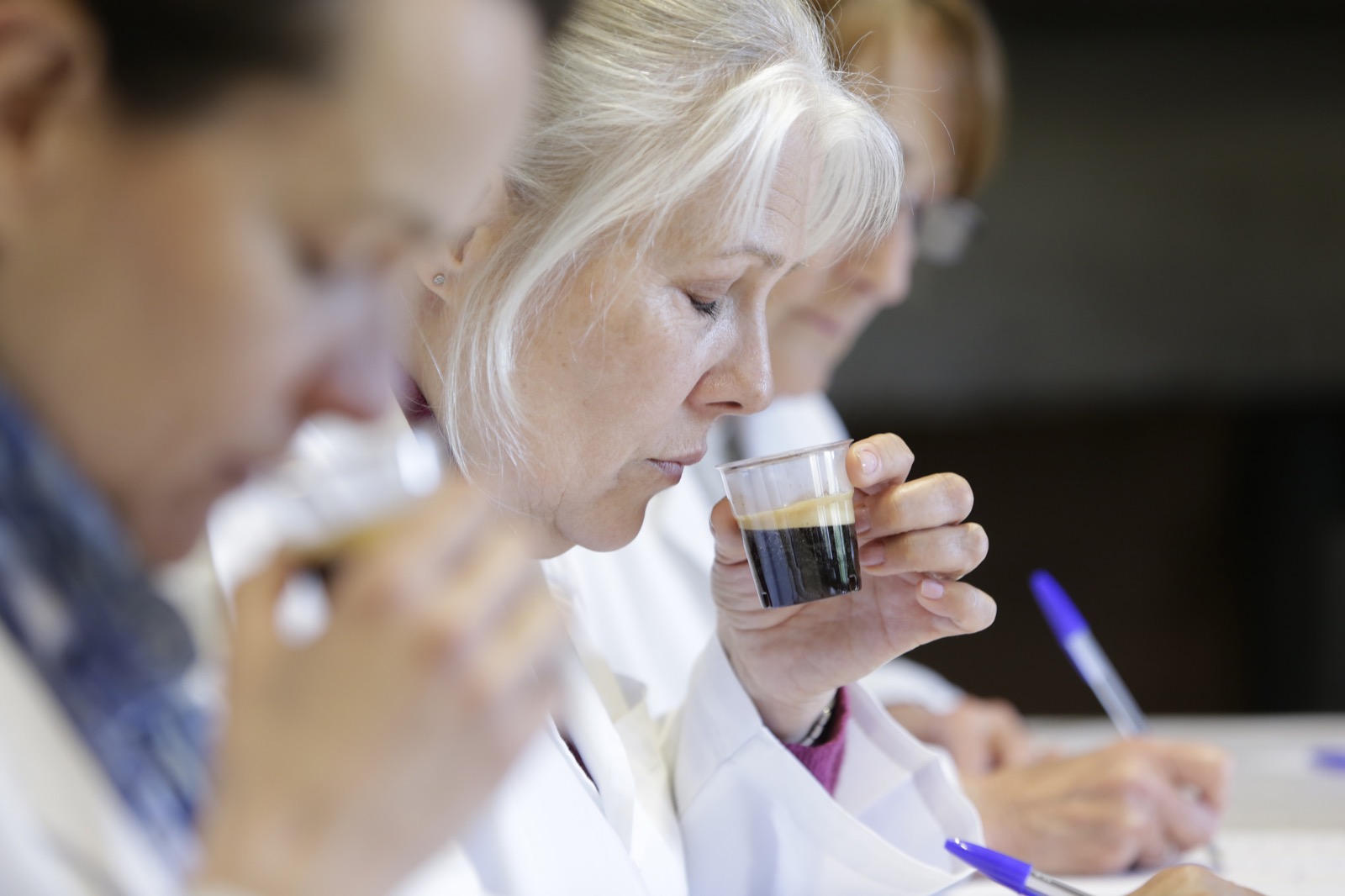
A trained panel describes it attribute by attribute, regardless of liking. It is the only way to know what is actually in it.
Sensory analysis →We measure the consumer
The people who buy it try it in their own setting: liking, purchase intent and segments.
Market research →We cross the two measures
On the same samples. That is where the attributes that move preference show up.
Preference mapping →We estimate the change
From that relationship we estimate the liking of a product that does not exist yet, and rank the prototypes.
Predictive models →
No model signs a recommendation on its own: all four steps are supervised by professionals with decades in the industry. Meet the team →
Since 2000 we have measured just one thing: how food and drink are perceived.
Specialisation is not something you declare; it builds up in the panel, in the history of each category and in the models trained on it.
What makes it possible
The panel
An expert panel trained in the Sensory Spectrum™ method, working in food and beverage only.
SensoExpert Lab →The history
Panel profiles and consumer responses across the whole category, normalised and confidential. Your study does not start from scratch.
Data and AI →The models
Predictive analytics on that history: which attribute moves preference, by how much, and what happens if you change it.
Predictive models →
These four steps, applied to real products
After more than 2,000 projects, six are written up from start to finish: the question that came in, what was measured and what the company decided afterwards. Clients are not named, because everything runs under a confidentiality agreement; the figures are the ones each of them reported.
Tell us about your product challenge
You tell us the category and the market. We tell you how we would measure it and what decision it lets you make.
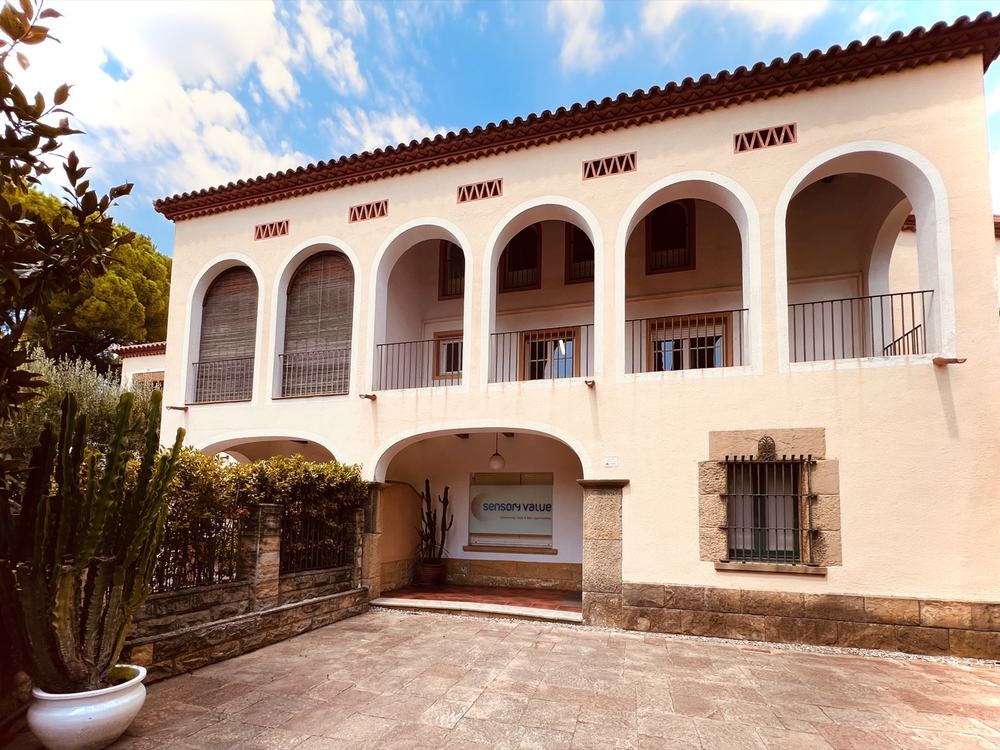
08195 Sant Cugat del Vallès, Barcelona (Spain)Tel. +34 93 590 31 38
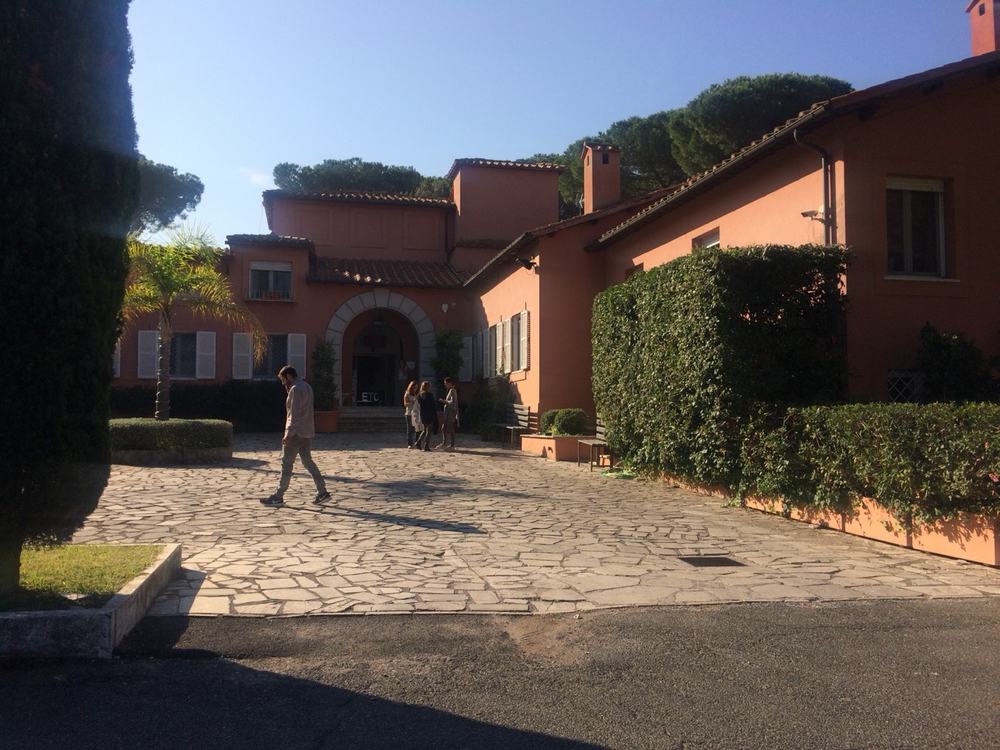
00143 Rome (Italy)Tel. +39 06 515 733 23