
You do not have to know which study you need
Most projects start with a business question, not with a methodology. Tell us yours and we will tell you what it would take to answer it, or whether it takes anything at all.
From there the project runs through four phases and spans three areas: the panel says what the product is like, consumers say whether they like it, and strategic consultancy says what to do with both.
Four phases, and the first measures nothing
A project does not start with a sample in the booth. It starts with a conversation about what has to be decided. These are the four phases it goes through, and the order matters more than the catalogue of methods.
A phase can be very short — sometimes the answer to the first one is that nothing needs measuring — but none of them is skipped.
We understand the decision
A session with R&D and marketing to pin down what has to be decided, within which formula constraints and by when. It is the one phase that measures nothing, and the one that stops us measuring the wrong thing.
We design the measurement
Which method, how many references, which markets and which sample. The design takes account of what has already been measured in the category, and that changes how many references are needed.
We run it and model it
The panel describes the product and consumers say how much they like it. Both results then feed the models, which is where we estimate what would happen to preference if the formula changed.
Predictive models →We recommend and defend it
The measurement does not end in a report somebody has to interpret. It ends in a concrete recommendation and in the conversation where that recommendation holds up.
Each area answers one part of the question
A project can come in through any of the three, and it does not always go through all of them. The order comes from the question, not from the catalogue.
- Sensory analysisMeasure. A trained panel describes the product attribute by attribute and always in the same language, so that two references in the category can genuinely be compared.
- Market researchInterpret. Real consumers of the category try it in their own setting and say how much they like it, who likes it and what they are comparing it with.
- Strategic consultancyDecide. This is where the results turn into what to reformulate, what to defend and what to communicate, with the models and the history of the category on the table.
Linking the three areas only works if the measurement means the same thing in all three.
The order of the phases does not guarantee that. Three things do, none of which shows up on a project calendar, and each one is explained in full on its own page.
The scale
The score for an attribute cannot depend on who was in the booth that day. Panel training and performance checks are what prevent that, and they are set out in full on their own page.
SensoExpert Lab →The two measures
A description and a liking score do not combine on their own: both have to be measured on the same product and then crossed. That step has a page of its own.
Preference mapping →The history
No one designs a study without first looking at what has already been measured in that category. What is on file, and what is not, is explained separately.
Data and AI →What ends up on your desk
A recommendation signed by a consultant, presented to your committee and backed by the data behind it. Not a pack of tables that somebody on your team has to interpret before anyone can use it.
- Signed
- A consultant puts their name on the recommendation and answers for it. Who signs it.
- Presented
- It is not sent over and left there: it is presented to the committee that has to take the decision, with the questions answered on the spot.
- Backed
- By the data from the study and by whatever had already been measured in the category, so the discussion is about the result and not about the source.
Timings and scope depend on the category, on how many references there are and on the markets, so they are agreed in the first phase and not before. Six projects are written up end to end: the question each one came in with, and what was decided. Case Studies →
Tell us about your product challenge
You tell us the category and the market. We tell you how we would measure it and what decision it lets you make.
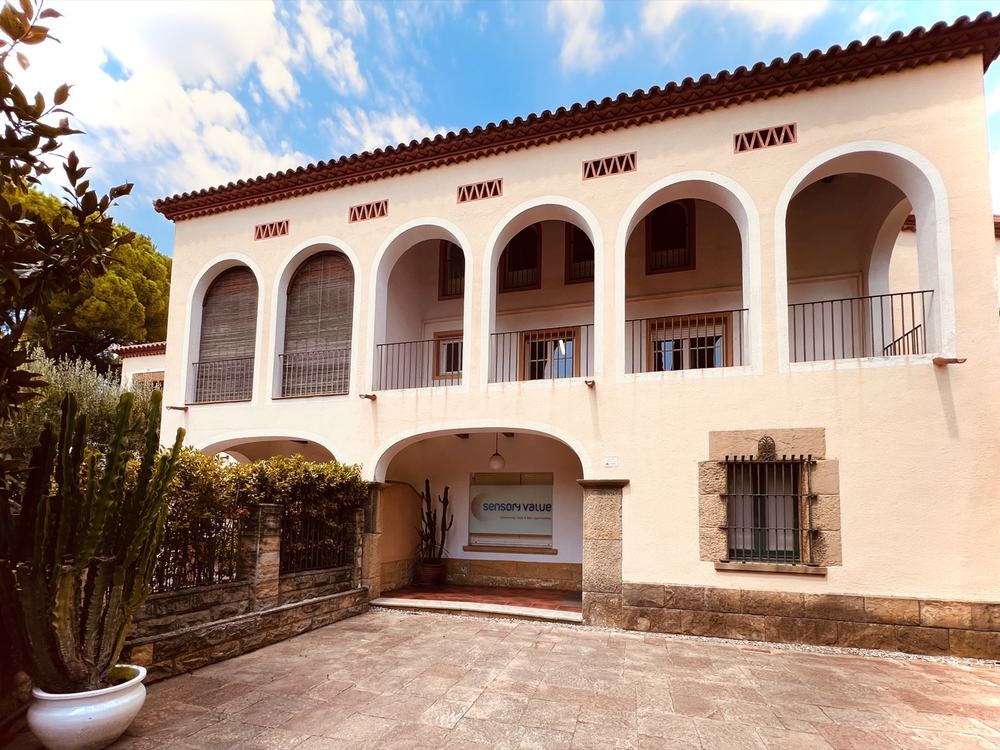
08195 Sant Cugat del Vallès, Barcelona (Spain)Tel. +34 93 590 31 38
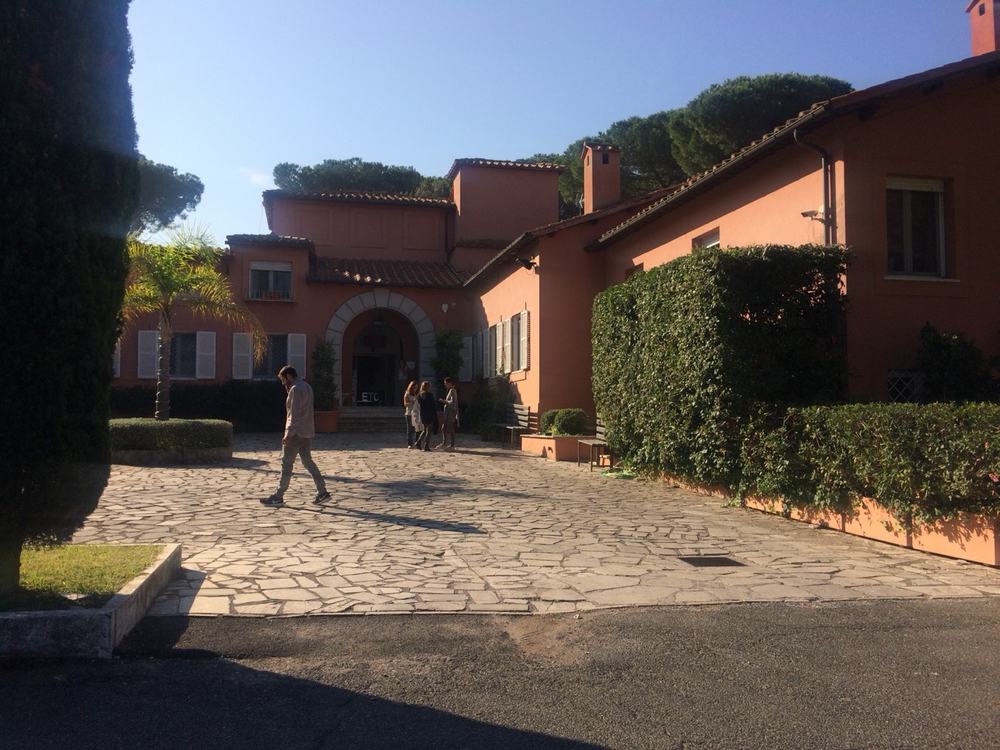
00143 Rome (Italy)Tel. +39 06 515 733 23